
Your Cart is Empty





SHOP BY SOLUTION

Christina’s product lines have been developed by a leading team of scientists and aestheticians. They apply the latest, state-of-the art and award winning technologies to combine innovative active ingredients with traditional ones and create specialized skincare products addressing the internal & external causes & consequences of skin conditions on multiple skin layers.
Christina - It Just Works!
SHOP BY CATEGORY
Christina’s product lines have been developed by a leading team of scientists and aestheticians.
They apply the latest, state-of-the art and award winning technologies to combine innovative active ingredients with traditional ones and create specialized skincare products addressing the internal and external causes and consequences of skin conditions on multiple skin layers.

SHOP BY SOLUTION
SHOP BY TREATMENT
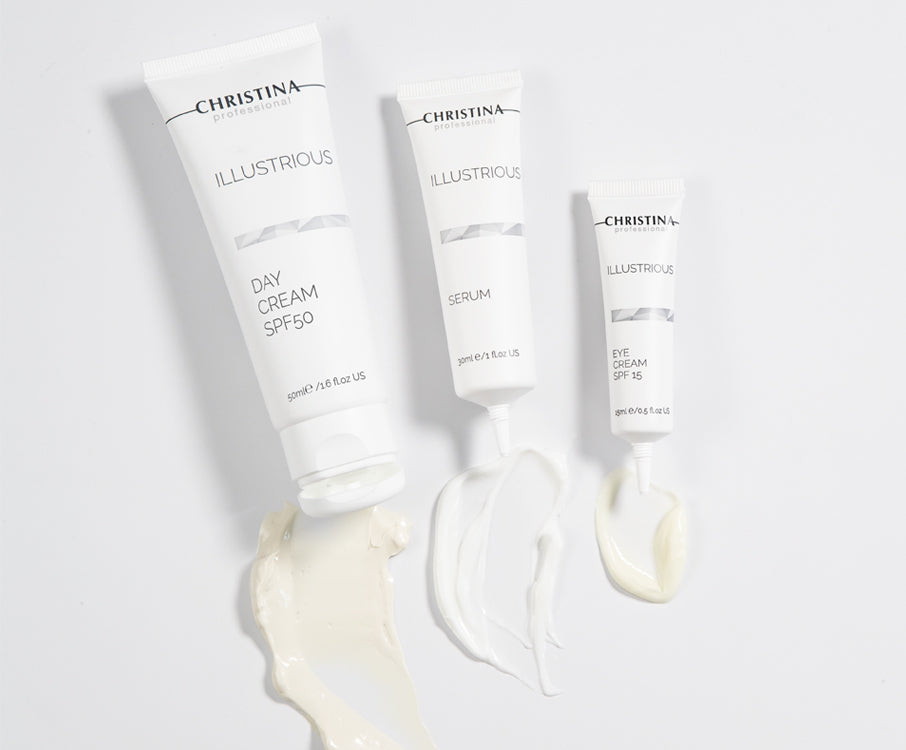
Each one of our product lines is developed and manufactured by the world class Christina team of cosmeticians and scientists. Each product line is multi-stage holistic treatment that addresses a specific skin condition by targeting the biological and environ- mental causes and symptoms both internally and externally.
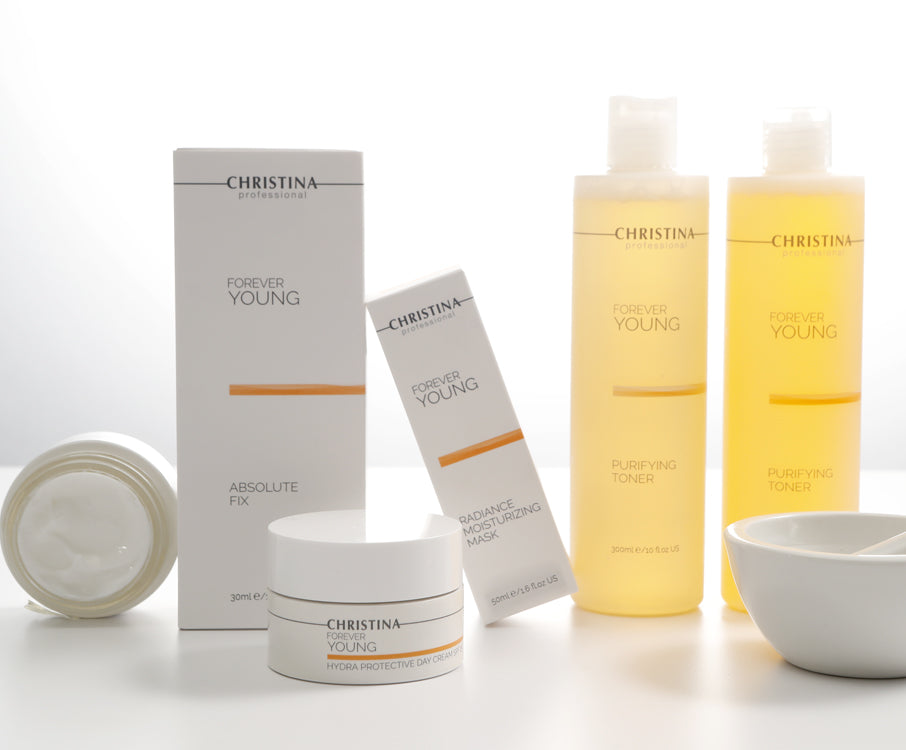
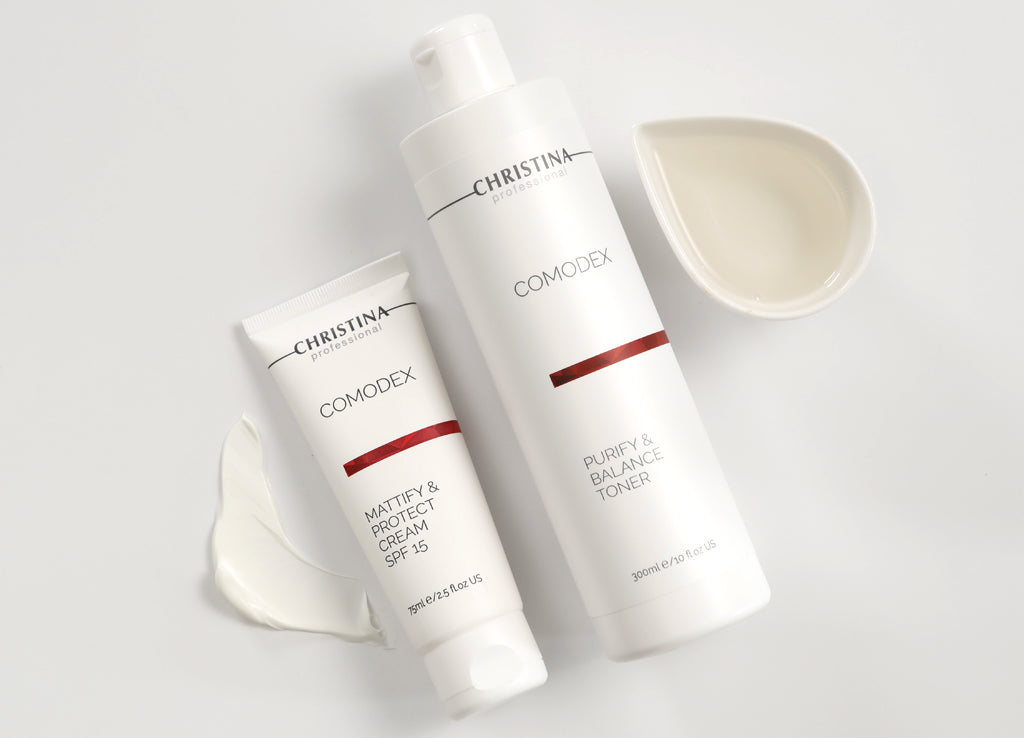
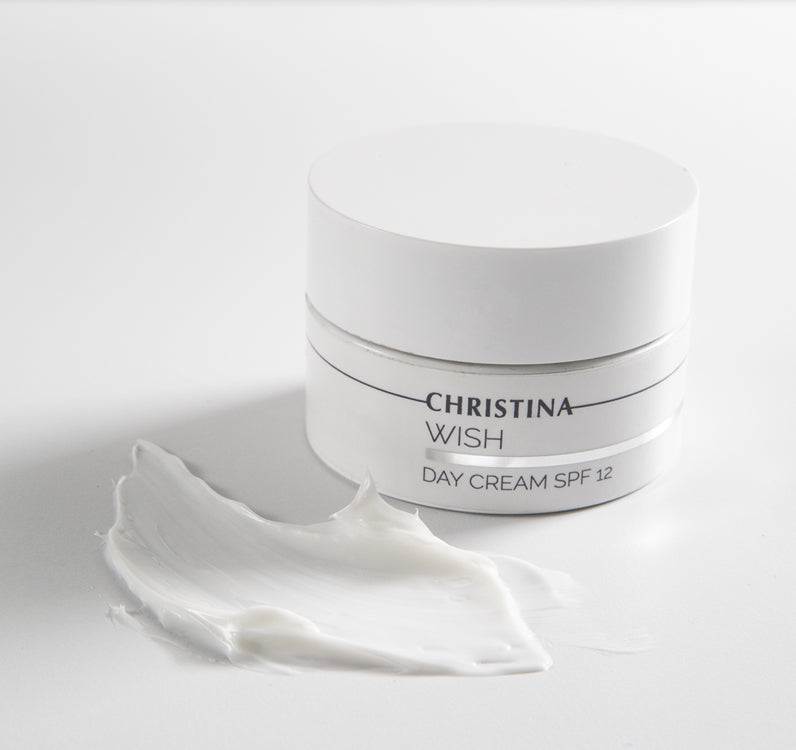
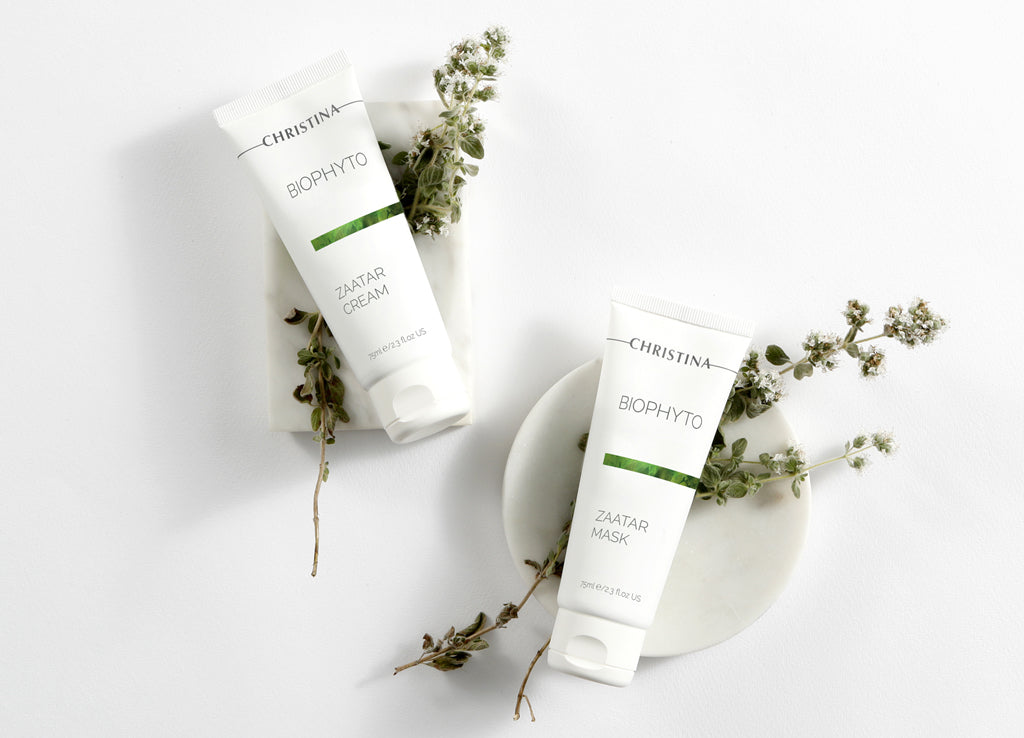


I love working with Christina's facial therapies, great results, no down time. My clients/patient love their skin after treatment is done and alway return very satisfied. i sing your praises Christina USA. It Just Works is so true.
- JE.Torres Para | Medical Aesthetician
Once again Christina has combined the most advanced in skin care technology with superior ingredients ! This treatment transforms the skin to a most youthful appearance. So happy and excited to have this treatment for my clients!
- Samantha Buel | Portland, OR United States
The great treatment for all skin types. It helps to repair agin skin condition, hyperpigmentation, acne and acne damage. It just works!!! Love it and strongly recommend the treatment for everyone who cares about skin!
- Olga Hays | Fort Wayne, IN United States

 Anti-Aging
 Acne & Blemishes
 Dehydration & Dryness
 Fine Lines & Wrinkles
 Oiliness
 Uneven Skin Tone
 Lifting & Firming
 Sensitive & Redness


